
Helping Companies Hire The Best Drivers FAST... Guaranteed!
Take control of your perfect recruiting process to consistently grow your fleet without relying on crowded job boards or expensive recruitment agencies.
Helping Companies Hire The Best Drivers FAST... Guaranteed!
Take control of your perfect recruiting process to consistently grow your fleet without relying on crowded job boards or expensive recruitment agencies.
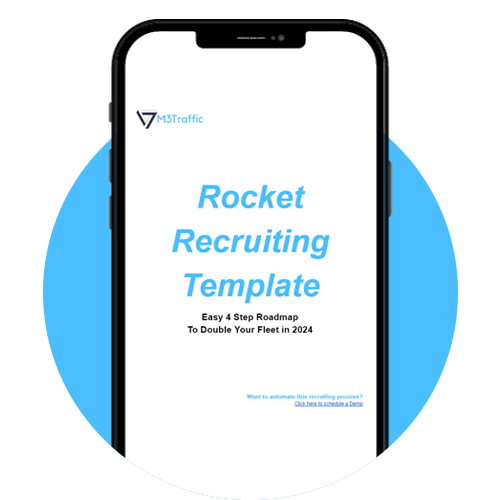
Download Our Rocket Recruiting Template
Easy 4 Step Roadmap To Double Your Fleet in 2026
Download Our Rocket Recruiting Template
Easy 4 Step Roadmap To
Double Your Fleet in 2024
Customers Who Use Us


Customers Who Use Us

Access The Entire
Driver Pool
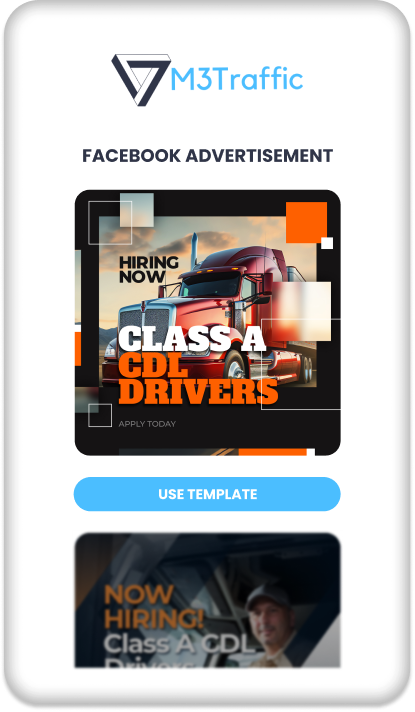
No more relying only on the job boards. Easily access all the drivers in your market by launching ads in minutes that have been proven to work and generate over 80,000 leads.
"It's been just 1 week and we already have 4 interviewed drivers with confirmed interest including a lead driver with 7 others pending in the Savannah area."
Logan P.

Save Time and Focus On Qualified Candidates
Reduce wasted time on unqualified candidates by filtering them out and instantly engage with your qualified candidates. The largest processor of driver applications did a study to find that you are 30% more likely to hire a driver if you respond within 5 minutes. Qualified applicants will show up on your calendar asking you to call them and give them an interview.
“With your system, it does it for us, making our job a little easier. We couldn’t keep up with all the candidates we have without your follow up system. Most of our tenured drivers are because of your follow up system."
Jasmynn F.

Lower Your Cost Per Hire by Building Your Waitlist
As the saying goes, fortune is in the followup.
By building your own company database of drivers and storing it in your system, you have permission to message them at will free of charge because you own this database. Next time you need to fill a position, use your own database rather than relying on someone else’s advertising platform or a crowded job board.
“Robert had a list of 300 drivers built up in his waiting list. Using ALIS, he sent out a message to them and had 25 interviews scheduled almost instantly for free and filled his position in 2 days. "
Access The Entire
Driver Pool
No more relying only on the job boards. Easily access all the drivers in your market by launching ads in minutes that have been proven to work and generate over 80,000 leads.
"It's been just 1 week and we already have 4 interviewed drivers with confirmed interest including a lead driver with 7 others pending in the Savannah area."
Logan P.
Save Time and Focus On Qualified Candidates
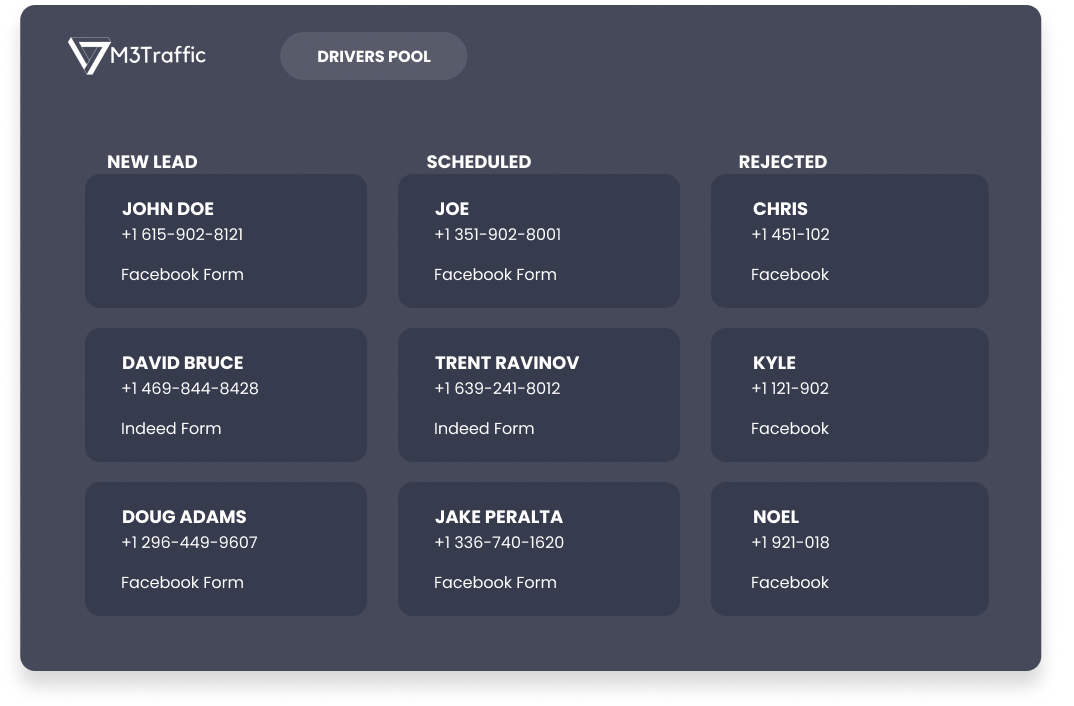
Reduce wasted time on unqualified candidates by filtering them out and instantly engage with your qualified candidates. The largest processor of driver applications did a study to find that you are 30% more likely to hire a driver if you respond within 5 minutes. Qualified applicants will show up on your calendar asking you to call them and give them an interview.
“With your system, it does it for us, making our job a little easier. We couldn’t keep up with all the candidates we have without your follow up system. Most of our tenured drivers are because of your follow up system."
Jasmynn F.
Lower Your Cost Per Hire by Building Your Waitlist
As the saying goes, fortune is in the followup.
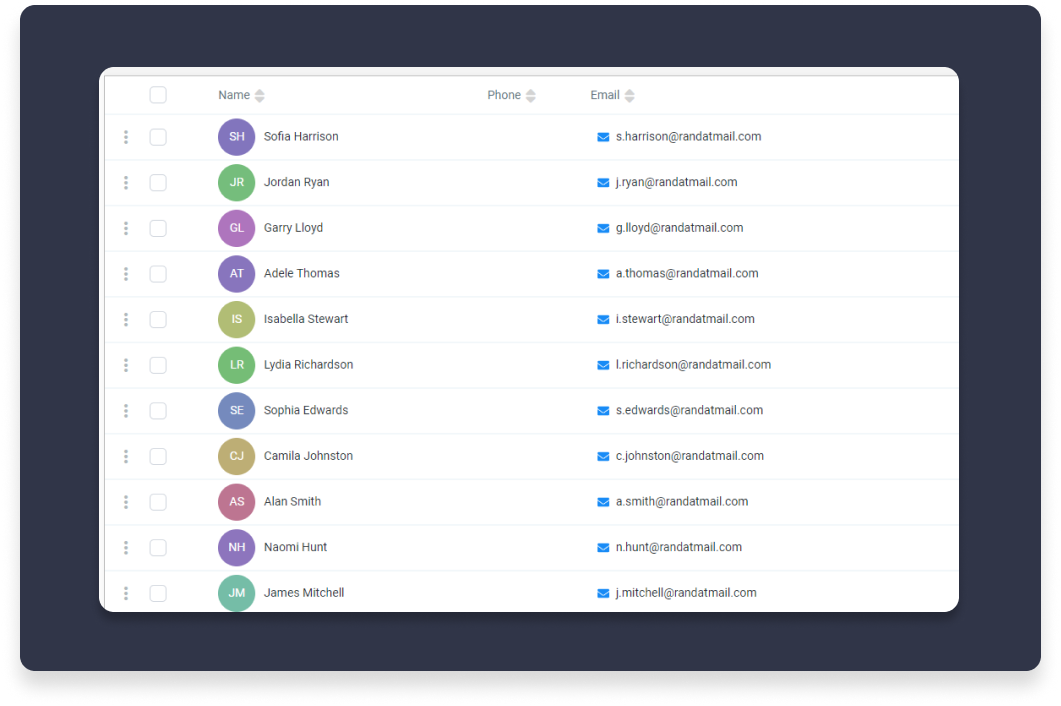
By building your own company database of drivers and storing it in your system, you have permission to message them at will free of charge because you own this database. Next time you need to fill a position, use your own database rather than relying on someone else’s advertising platform or a crowded job board.
“Robert had a list of 300 drivers built up in his waiting list. Using ALIS, he sent out a message to them and had 25 interviews scheduled almost instantly for free and filled his position in 2 days. "
Join the One Driver Away Challenge Today!
Ready to hire your next great driver? Take the challenge for only $99 – Pay once, and get lifetime access to the proven system that will help you recruit drivers quickly and efficiently. No more guesswork, no more wasted time.
Frequently Asked Questions
Is advertising spend included?
No, the budget that you’d like to allocate to any advertising platform will be separate. The budget you will spend to hire a driver will vary widely depending on a number of factors. For you to estimate, we usually see lead costs ranging from $3 - $20 per lead using adlaunch pro.
Can you manage the advertising for me?
Yes, we do have an option to manage the advertising budget for you and maximize the number of leads you get. This is an option if you have an ad budget exceeding $3,000 per month. Schedule a demo and we can discuss exactly how that works and see if you are a good candidate for that.
I already use Tenstreet, driver reach, or another ATS. Can I use this?
Congratulations on having a system that you use. We have various options of integrating with driver reach and tenstreet or other platforms depending on your need. Schedule a demo and we can walk through the best option for that.
Is there a long-term contract?
No long term contracts. We operate on a basis where we make sure that you are happy. If it’s not working for you, you are able to cancel with a written 30 day notice.
Latest Blog Posts

Why You Can't Recruit Owner-Operators
Why You Can't Recruit Owner-Operators
(And How to Stop Treating Them Like Company Drivers)
Here's a phone call we get every November:
Here's a conversation we had with a frustrated fleet owner last week:
"We get plenty of applications from company drivers, but we can't seem to attract any owner-operators. We're offering great rates and consistent freight, but they just don't seem interested. What are we doing wrong?"
What they were doing wrong is simple: They were trying to recruit business owners using the same methods they use to hire employees.
They were posting "job openings" for owner-operators, talking about "pay packages" instead of revenue potential, and using language that implied an employer-employee relationship rather than a business partnership. They were treating entrepreneurs like company drivers, and the owner-operators were (rightfully) ignoring them.
This is the most common mistake companies make when recruiting owner-operators. They fail to understand that they're not hiring an employee – they're forming a business partnership with another company. This fundamental difference requires a completely different approach to messaging, value proposition, and recruitment.
The Mindset Shift: Employee vs. Business Owner
Let's start with the most important distinction: Company drivers are looking for a job. Owner-operators are looking for a business partner.
Company drivers think like employees: They're concerned with pay rates, benefits, home time, company culture, and job security. They're evaluating you as an employer.
Owner-operators think like business owners: They're concerned with revenue potential, operational efficiency, cost reduction, business support, and partnership terms. They're evaluating you as a business partner who can help them grow their own company.
When you use employee-focused language to recruit business owners, you immediately signal that you don't understand their needs or respect their position. You're telling them you see them as just another driver, not as a fellow entrepreneur
The Value Proposition Difference
Your value proposition for owner-operators needs to be completely different from what you offer company drivers. They're not interested in the same things because they have different business needs.
For company drivers, you might emphasize:
Competitive pay per mile
Comprehensive health insurance
Paid time off and holidays
Modern equipment and amenities
Strong company culture and driver support
For owner-operators, you need to emphasize:
High revenue potential and consistent freight
Fuel and tire discount programs that reduce their costs
Access to maintenance and repair services at competitive rates
Business support services (accounting, legal, compliance)
Technology that improves their operational efficiency
Partnership terms that respect their independence
Your value proposition for owner-operators should answer one question: "How will partnering with your company make my business more successful and profitable?"
The Recruitment Process Difference
Your recruitment process for owner-operators needs to feel like a business development conversation, not a job interview. They're evaluating you as much as you're evaluating them, and your process needs to reflect that mutual respect.
Company Driver Process: Application → Screening → Interview → Background Check → Job Offer
Owner-Operator Process: Initial Inquiry → Partnership Discussion → Business Evaluation → Agreement Negotiation → Onboarding
Here's what that looks like in practice:
Partnership Discussion: Instead of a screening call, have a business-level conversation about their goals, your opportunities, and how a partnership could be mutually beneficial. This should be a peer-to-peer discussion, not an interrogation.
Business Evaluation: You're evaluating their business (equipment, safety record, operating authority) and they're evaluating yours (financial stability, freight network, support programs). It's a two-way due diligence process.
Agreement Negotiation: The terms of your partnership are negotiable, not dictated. This demonstrates respect for their position as a business owner and creates a stronger, more collaborative relationship.
Onboarding: Your onboarding process should feel like a partnership launch, not employee orientation. Focus on setting them up for success with your systems, technology, and support resources.
The Marketing and Messaging Difference
Your marketing materials for owner-operators need to speak to their business needs and aspirations, not just their driving skills. Here's how to adjust your messaging:
Use Business-Oriented Channels: Advertise in publications, forums, and online communities where owner-operators discuss business topics, not just driving jobs.
Highlight Business Success Stories: Feature testimonials from successful owner-operators who have grown their businesses by partnering with you. Show them what's possible.
Provide Business Value: Offer free resources like business planning guides, cost-saving tips, or market analysis that demonstrate your expertise and commitment to their success.
Focus on Partnership Benefits: Your ads should emphasize revenue potential, cost savings, and business support, not just pay rates and home time.
Ready to stop treating owner-operators like company drivers and start building a successful partnership program? Learn how to adjust your messaging, value proposition, and recruitment process to attract and retain the best owner-operators in the industry.

Latest Blog Posts
Why You Can't Recruit Owner-Operators
Why You Can't Recruit Owner-Operators
(And How to Stop Treating Them Like Company Drivers)
Here's a phone call we get every November:
Here's a conversation we had with a frustrated fleet owner last week:
"We get plenty of applications from company drivers, but we can't seem to attract any owner-operators. We're offering great rates and consistent freight, but they just don't seem interested. What are we doing wrong?"
What they were doing wrong is simple: They were trying to recruit business owners using the same methods they use to hire employees.
They were posting "job openings" for owner-operators, talking about "pay packages" instead of revenue potential, and using language that implied an employer-employee relationship rather than a business partnership. They were treating entrepreneurs like company drivers, and the owner-operators were (rightfully) ignoring them.
This is the most common mistake companies make when recruiting owner-operators. They fail to understand that they're not hiring an employee – they're forming a business partnership with another company. This fundamental difference requires a completely different approach to messaging, value proposition, and recruitment.
The Mindset Shift: Employee vs. Business Owner
Let's start with the most important distinction: Company drivers are looking for a job. Owner-operators are looking for a business partner.
Company drivers think like employees: They're concerned with pay rates, benefits, home time, company culture, and job security. They're evaluating you as an employer.
Owner-operators think like business owners: They're concerned with revenue potential, operational efficiency, cost reduction, business support, and partnership terms. They're evaluating you as a business partner who can help them grow their own company.
When you use employee-focused language to recruit business owners, you immediately signal that you don't understand their needs or respect their position. You're telling them you see them as just another driver, not as a fellow entrepreneur
The Value Proposition Difference
Your value proposition for owner-operators needs to be completely different from what you offer company drivers. They're not interested in the same things because they have different business needs.
For company drivers, you might emphasize:
Competitive pay per mile
Comprehensive health insurance
Paid time off and holidays
Modern equipment and amenities
Strong company culture and driver support
For owner-operators, you need to emphasize:
High revenue potential and consistent freight
Fuel and tire discount programs that reduce their costs
Access to maintenance and repair services at competitive rates
Business support services (accounting, legal, compliance)
Technology that improves their operational efficiency
Partnership terms that respect their independence
Your value proposition for owner-operators should answer one question: "How will partnering with your company make my business more successful and profitable?"
The Recruitment Process Difference
Your recruitment process for owner-operators needs to feel like a business development conversation, not a job interview. They're evaluating you as much as you're evaluating them, and your process needs to reflect that mutual respect.
Company Driver Process: Application → Screening → Interview → Background Check → Job Offer
Owner-Operator Process: Initial Inquiry → Partnership Discussion → Business Evaluation → Agreement Negotiation → Onboarding
Here's what that looks like in practice:
Partnership Discussion: Instead of a screening call, have a business-level conversation about their goals, your opportunities, and how a partnership could be mutually beneficial. This should be a peer-to-peer discussion, not an interrogation.
Business Evaluation: You're evaluating their business (equipment, safety record, operating authority) and they're evaluating yours (financial stability, freight network, support programs). It's a two-way due diligence process.
Agreement Negotiation: The terms of your partnership are negotiable, not dictated. This demonstrates respect for their position as a business owner and creates a stronger, more collaborative relationship.
Onboarding: Your onboarding process should feel like a partnership launch, not employee orientation. Focus on setting them up for success with your systems, technology, and support resources.
The Marketing and Messaging Difference
Your marketing materials for owner-operators need to speak to their business needs and aspirations, not just their driving skills. Here's how to adjust your messaging:
Use Business-Oriented Channels: Advertise in publications, forums, and online communities where owner-operators discuss business topics, not just driving jobs.
Highlight Business Success Stories: Feature testimonials from successful owner-operators who have grown their businesses by partnering with you. Show them what's possible.
Provide Business Value: Offer free resources like business planning guides, cost-saving tips, or market analysis that demonstrate your expertise and commitment to their success.
Focus on Partnership Benefits: Your ads should emphasize revenue potential, cost savings, and business support, not just pay rates and home time.
Ready to stop treating owner-operators like company drivers and start building a successful partnership program? Learn how to adjust your messaging, value proposition, and recruitment process to attract and retain the best owner-operators in the industry.
Download Our Rocket Recruiting Template
Easy 4 Step Roadmap To
Double Your Fleet in 2024